
What to Expect During a Commercial Truck Body Upfit in Orange County
Scheduling a commercial truck body upfit is a significant decision, and knowing what to expect from a truck upfitter before the process begins can save time and prevent costly surprises. This guide walks through each stage of a typical upfit, from the first intake call to final inspection, with notes specific to fleets and tradespeople serving Orange, CA.
Step 1 - The Intake and Spec Review
A good upfit starts with a clear conversation about how the truck will be used. During intake, a qualified truck upfitter will gather details about your chassis, your trade, and how you plan to organize tools and equipment. Contractors and utility crews serving Orange, CA, often haul a mix of power tools, ladders, and specialty gear, so compartment layout is a key part of the build.
The spec review turns that conversation into a plan. You will typically need to know your cab-to-axle (CA) measurement, which is the distance from the back of the cab to the center of the rear axle. This measurement determines which body length fits your chassis. Common cab-to-axle ranges accommodate beds from about 8 feet up to much longer custom lengths, depending on your chassis size.
What Information Should You Bring to Your First Appointment?
Come prepared with your chassis make, model, year, and CA measurement. Also bring notes on what tools or equipment need to be stored, whether you need a liftgate or crane mount, and any job-site access requirements common in Orange County, CA, neighborhoods.
Step 2 -- Fabrication and Installation
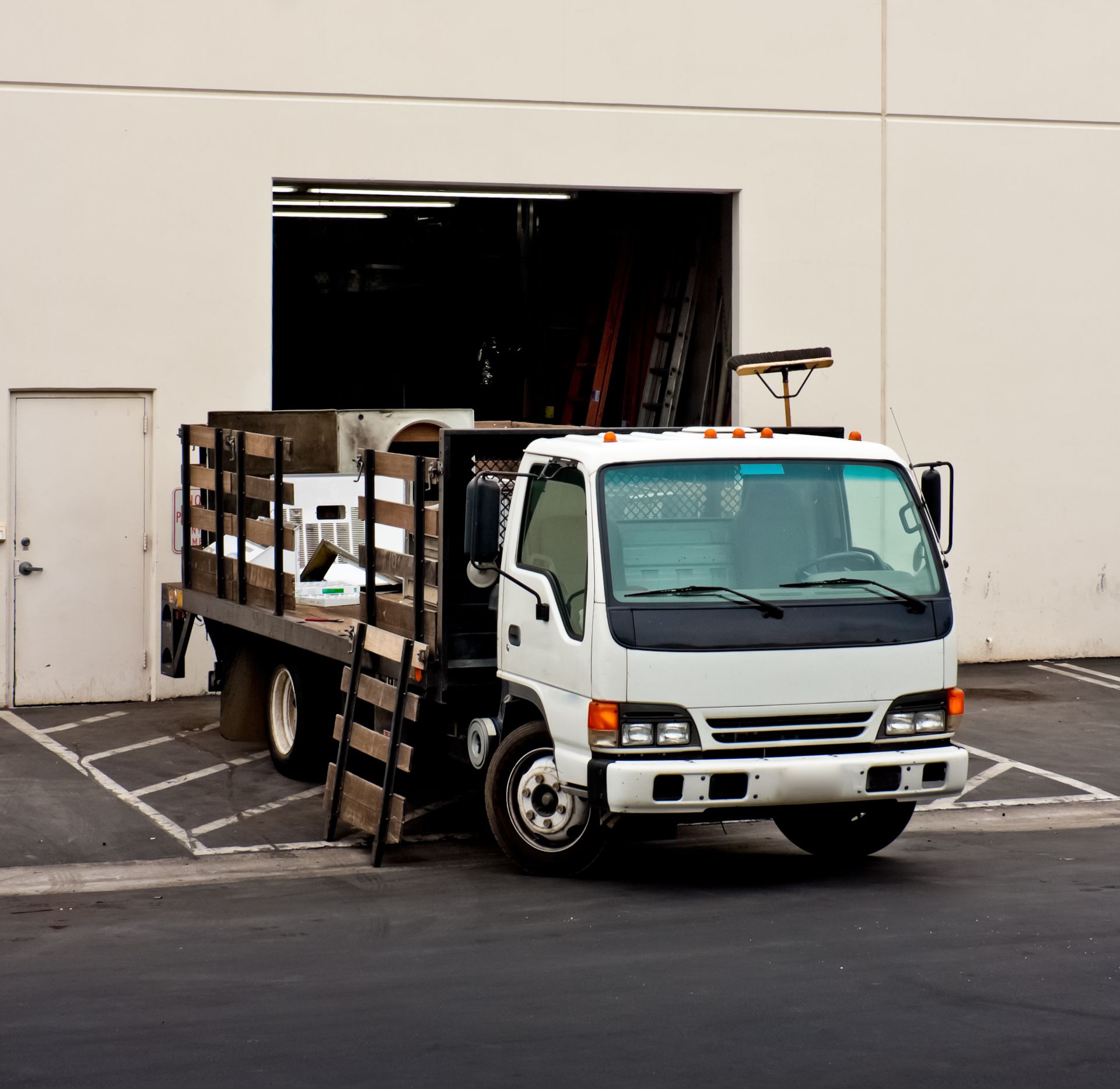
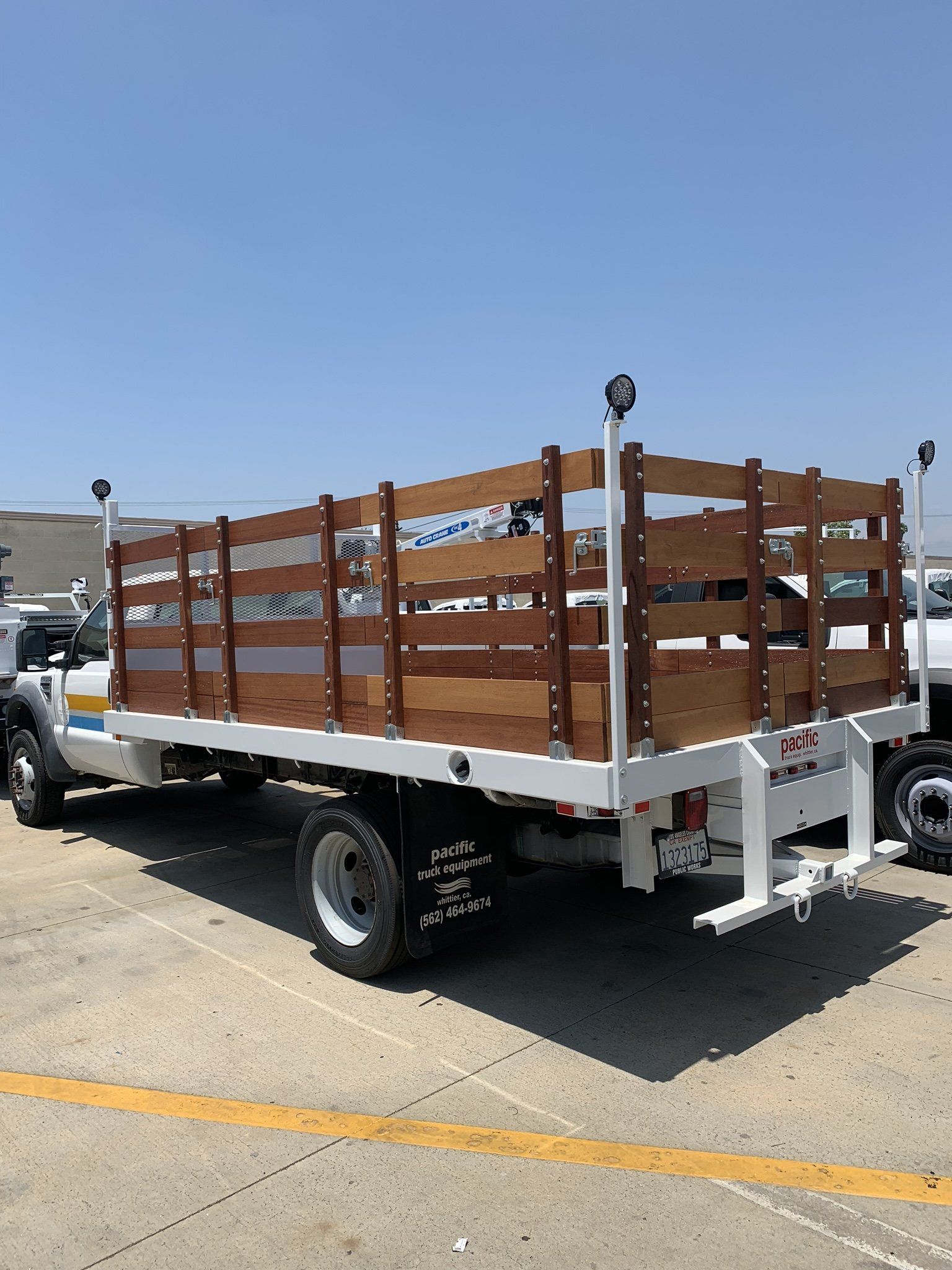
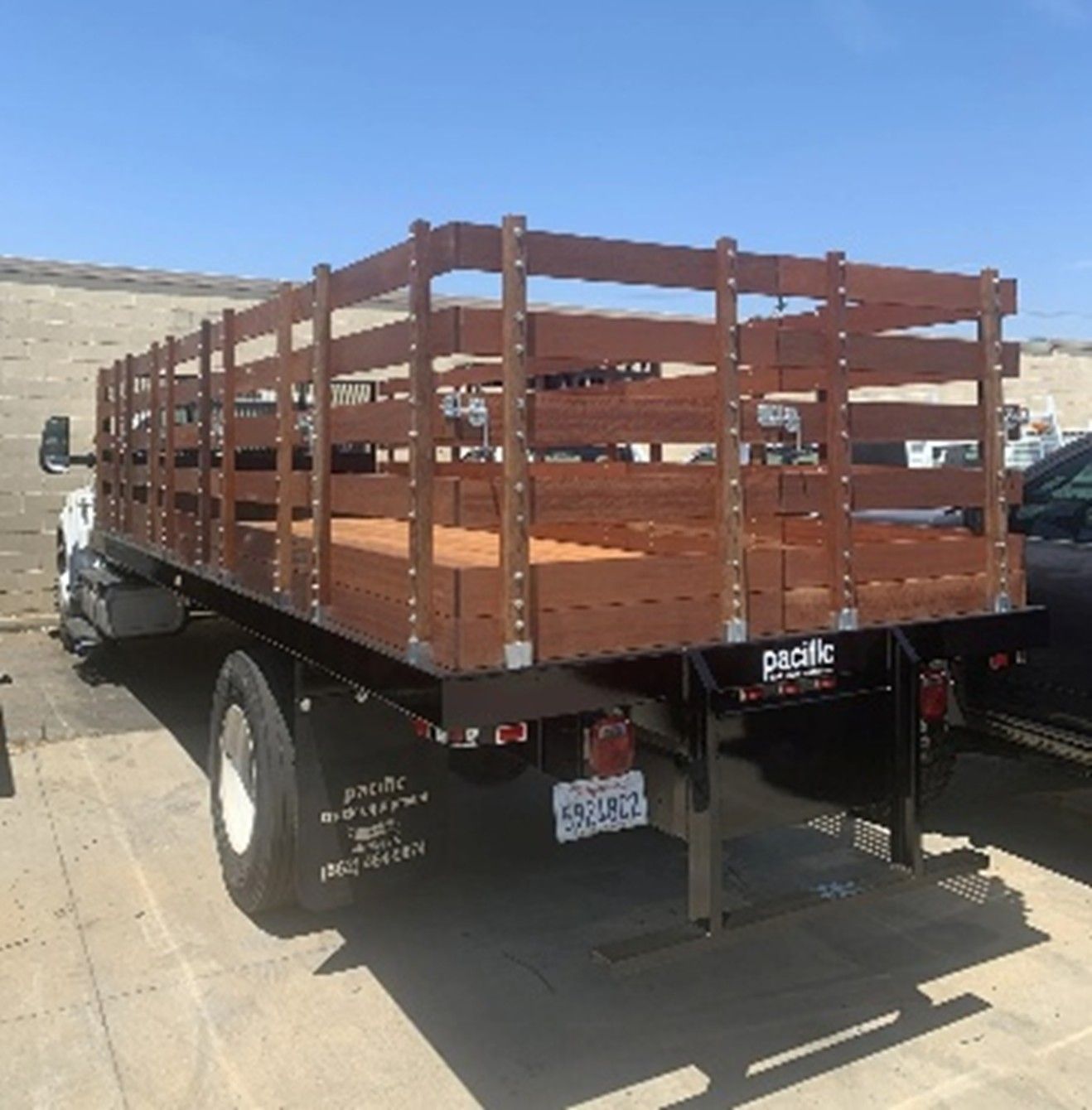
Fabrication is where the truck upfit takes shape in the shop. Depending on the body type, a skilled upfitter may build utility service bodies, flatbeds, stake beds, dump bodies, or custom welder rigs from the ground up. Each body style has different lead times. Simpler flatbeds and stake beds typically move faster than fully custom utility bodies with multiple compartment configurations.
Installation follows fabrication. The body is mounted to the chassis, all compartment hardware is fitted, and any add-ons like air compressors or generators are integrated at this stage. Southern California fleets often request weather-resistant sealing features given occasional coastal marine air and the dry heat common in the Orange County, CA, inland areas.
What Happens During Final Inspection?
Final inspection is the quality check before your truck leaves the shop. An experienced truck upfitter will verify door alignment, hardware function, mounting integrity, and proper load distribution. This is also the time to confirm that any custom features match the original spec sheet. Speak up if anything looks different from what was discussed during intake.
Turnaround time can vary based on body complexity and current shop workload. Straightforward installs can be completed relatively quickly, while fully custom builds take longer. Asking about realistic lead times upfront helps you plan around job schedules.
How Can I Make the Process Go Faster?
Arrive with a confirmed chassis ready to measure, a clear list of required features, and approval authority to make decisions on the spot. Delays often happen when specs change mid-build or chassis measurements are unavailable at intake.
Get Started With Your Upfit Today
If you are ready to spec out a new work truck body and are serving the Orange, CA, area, Pacific Truck Equipment Inc. can help you build a utility service body, flatbed, stake bed, dump body, or custom configuration designed for your trade. Call (562) 464-9674 to start your intake, or explore truck body options and request more information on the website. Get a clear plan before your truck ever enters the shop.